
Educational documentaries shape how we understand the world. They take stories from real people and real places and turn them into lessons that stay with us. In a time when young audiences are overloaded with information, good educational films help us slow down, think clearly and connect with issues that affect our lives.
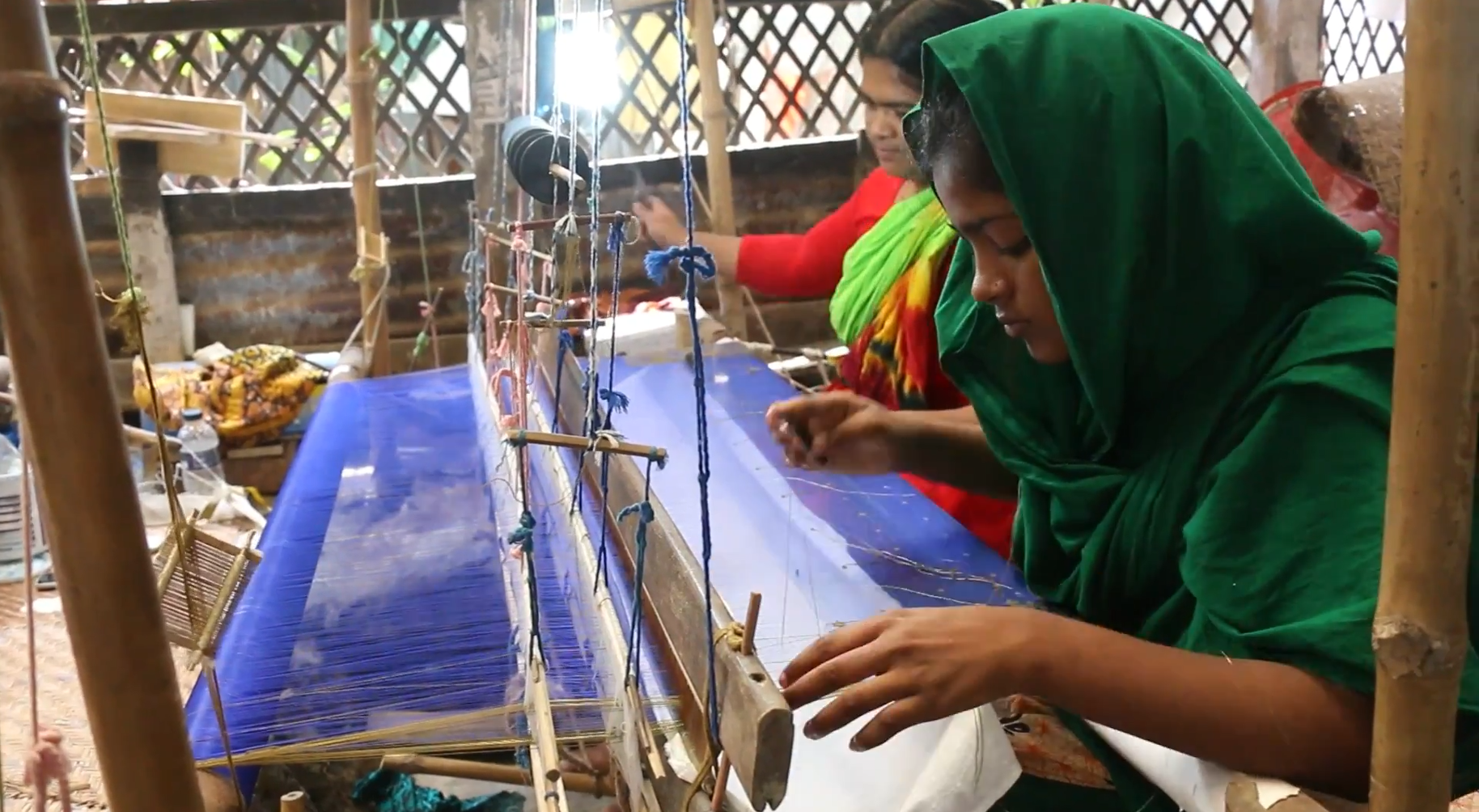
As a filmmaker in Bangladesh, I’ve seen how a simple story can open a door. A documentary about a child who walks miles to school can spark conversations about equality. A film about a traditional craft can make young people value their own culture. When viewers see these stories, they don’t just learn facts. They build empathy.
Educational documentaries also play an important role in classrooms. Teachers use them to explain things that textbooks sometimes struggle to show. A well-made documentary gives students a real view of history, society and human behavior. It helps them ask better questions and think more deeply.
For countries like Bangladesh, educational films are even more important. Many communities still face barriers to quality education. Documentaries help bridge that gap by making information accessible. They help young people discover new paths and understand that their voices matter.
For me, filmmaking is not only about visuals. It is about impact. Each project is a chance to highlight a problem, offer a solution or bring attention to people who are often unheard. When a documentary reaches even one viewer who decides to take action, the film has already made a difference.
Educational documentaries remind us that learning doesn’t end in school. It continues every day, through the stories we watch, the people we meet and the questions we ask.